
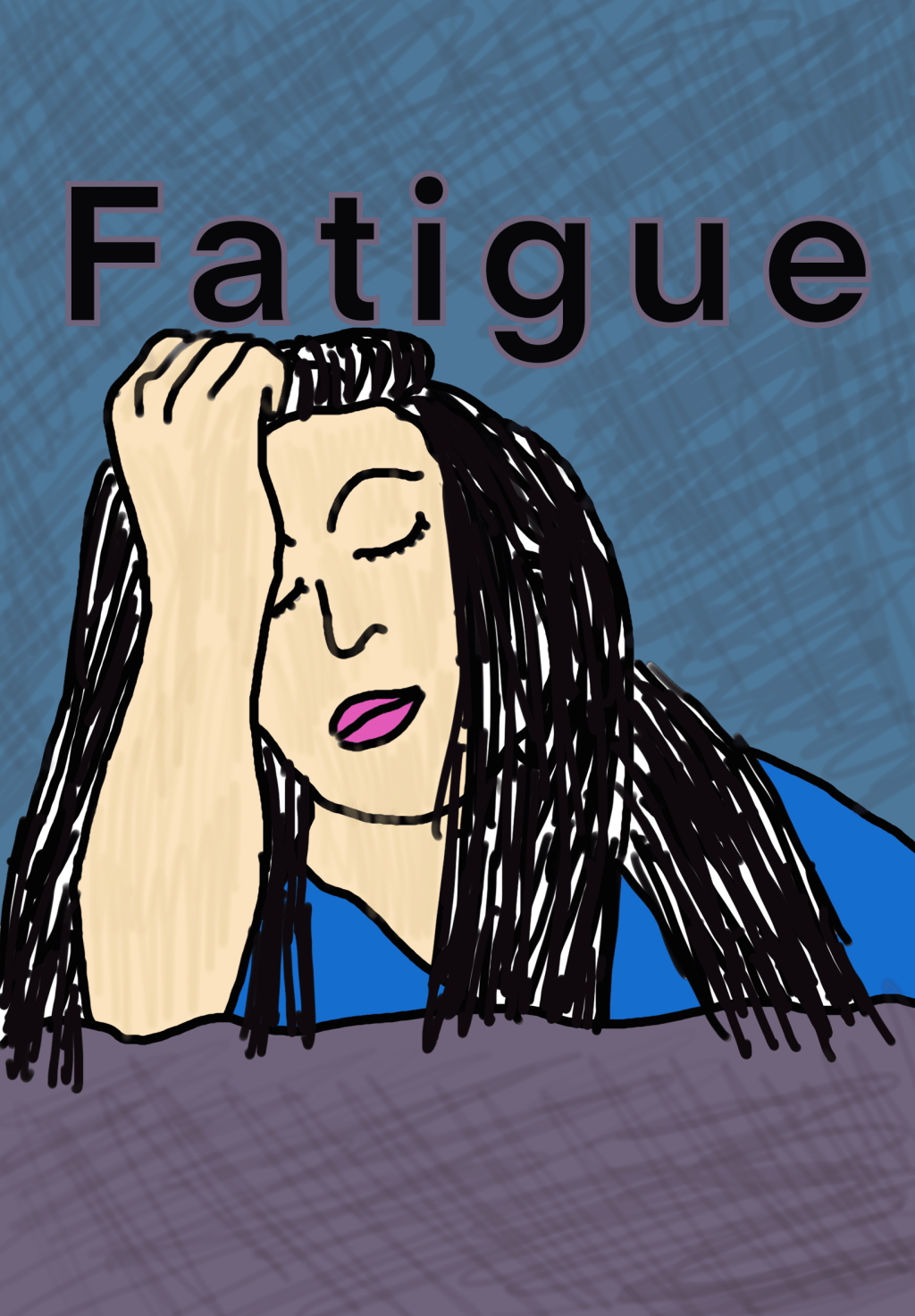
Experiencing Physical Fatigue Versus Mental Fatigue
My friend asked me which is more tiring physical fatigue or mental fatigue. I told her both could be draining and the experience of tiredness can vary from person to person. However, it’s hard not to get tired. Fatigue is a feeling of weariness or exhaustion that impacts the performance of daily tasks. There are a variety of factors that can cause fatigue. However, it is a common experience that affects people of all ages, genders, and backgrounds. There are two most common types of fatigue, which are physical and mental. Here are the differences between the two:
Cause: There are different causes for both physical and mental fatigue. Physical fatigue can be caused by physical exertion, intense use of muscle movement, lack of sleep, or other chronic conditions. In contrast, mental exhaustion can be caused by prolonged mental effort, prolonged cognitive activity, or stress, such as studying, doing documentation, and performing complex tasks when working.
Symptoms: Physical fatigue is characterized by tiredness or exhaustion in the body, such as muscle weakness, soreness, stiffness, and reduced stamina. In contrast, mental fatigue is a feeling of tiredness or exhaustion of the mind, such as forgetfulness, decreased motivation, lethargy, or irritability.
Effects on performance: Physical fatigue can affect a person’s physical performance or energy, making it difficult to perform work, daily activities, perform manual labor, and inability to perform activities they enjoy. Mental fatigue can affect a person’s cognitive performance, affecting mood or emotions, making it difficult to concentrate, focus, remember things, problem-solve, or make decisions properly in daily life.
Recovery/ Treatment: In some cases, fatigue can be managed through lifestyle changes. Physical fatigue can be relieved by rest, hydration, sleep, and proper nutrition. In contrast, mental fatigue may require a break from mental activity, performing relaxation techniques, and mindfulness practices to reduce cognitive strain. Still, if fatigue persists despite these different measures, it is essential to consult a healthcare professional to rule out any underlying medical conditions.
Both physical and mental fatigue can be exhausting and can sometimes coincide. The experience of fatigue can vary from person to person depending on various factors, including the intensity and duration of the activity, the individual’s physical and mental health, environmental factors, and recovery outcome.
Depending on a person’s line of work, one can experience physical and mental exhaustion. For example, I sometimes experience physical and mental tiredness as an occupational therapist. This job can be physically exhausting as we sometimes deal with weak and heavy patients needing more assistance, such as performing functional transfers. But on the other hand, mental exhaustion would kick in during problem-solving scenarios to assist the patient in becoming safe and independent in performing daily activities and documenting everything at the end of the day. To alleviate my tiredness when I return home, I would soak in a nice warm bath, eat any of my comfort foods such as ice cream, and try to have a good rest or sleep to be ready for the next day.
How about you? Have you experienced any physical or mental fatigue? How do you deal with it? Kindly share it in the comment section below!
Thank you for reading! Continue to adapt to change and enjoy life!

 Immigrant Therapist