
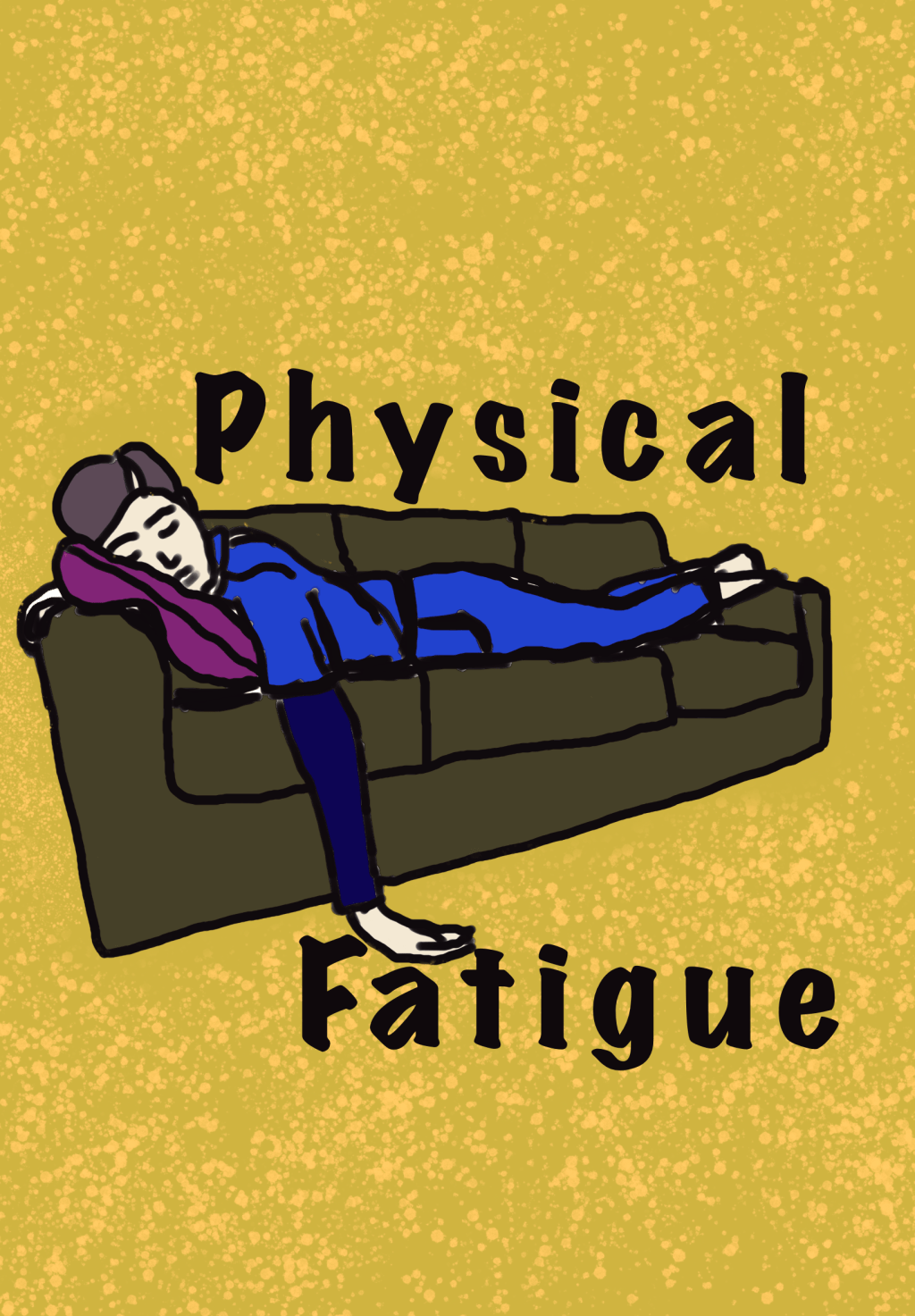
There will be a part of your life where you will experience physical fatigue. Fatigue is a feeling of weariness or exhaustion that impacts the performance of daily tasks. One of the most common types of fatigue is physical fatigue. Physical fatigue can be caused by physical exertion, characterized by a feeling of tiredness or exhaustion.
Causes
There are a variety of factors that causes physical fatigue. Here are some of the causes:
Insufficient Sleep- Lack or inadequate sleep can lead to exhaustion due to disrupting the body’s circadian rhythm, affecting the body’s restorative processes and hormonal imbalances.
Poor Nutrition- Eating food lacking essential nutrients, such as highly processed or sugary foods, can lead to sluggishness or low energy levels.
Dehydration- Being unable to drink plenty of water affects the body’s electrolyte balance, leading to dizziness and weakness.
Prolonged Physical Activity- Over-exertion in performing tasks or continuous heavy manual labor can eventually cause muscle soreness and tiredness.
Medical Condition- Several medical conditions can cause physical fatigue due to physiological and psychological factors such as anemia, thyroid disorders, fibromyalgia, etc.
Medications- Some medications cause physical fatigue as part of their side effects due to the impact on the body’s nervous system, metabolism, and other physiological processes.
Environmental Factors- Extreme temperatures, humidity, high altitude, high levels of noise, poor lighting causing eye strain, and exposure to pollutants or toxins can contribute to physical fatigue.
Treatment
After learning about different causes contributing to physical fatigue, one can determine the appropriate treatment to provide. Written are some general strategies to alleviate physical fatigue.
Try To Prioritize And Get Enough Sleep- Make sure to get enough restful sleep. Aim for at least 7-8 hours of sleep per night for the body to recover. Establish a regular sleep schedule. Take breaks throughout the day to rest and recharge.
Eat A Well-Balanced Diet- Adequate nutrients such as carbohydrates, proteins, and healthy fats are essential for producing ATP (adenosine triphosphate), the primary energy source. So make sure to include a variety of nutrient-rich foods in your diet. Also, try to take vitamins and supplements to ensure optimal physical performance.
Stay Hydrated- Drink plenty of fluids throughout the day to prevent dehydration, such as water or electrolyte-rich drinks, from helping the body function properly and maintain energy levels.
Limit Caffeine And Alcohol Intake- While caffeine and alcohol can provide temporary energy boosts, they can also disrupt sleep patterns and lead to fatigue in the long run.
Exercise Regularly- Engage in regular physical activity to help build strength and endurance to boost energy levels. Exercise can also aid in sleeping better at night.
Pace Yourself- Take regular breaks throughout the day to rest and recharge. Avoid overexertion in the performance of different tasks to conserve your energy.
Consult A Healthcare Professional- If physical fatigue is caused by an underlying medical condition treating the condition may alleviate fatigue. However, if fatigue persists despite making lifestyle changes, consult a healthcare professional to rule out any underlying medical conditions that may require medical treatment.
Remember, listening to your body and resting when needed is essential. Pushing yourself too hard can lead to increased fatigue and exhaustion.
In my work as an occupational therapist, it’s hard not to get physically fatigued. So I try to do some of the things above to help reduce tiredness. Talking to friends or family members also helps. Sometimes, I would just have a nice warm bath, eat delicious food and get a good sleep to relieve exhaustion from work.
How about you? What’s the cause of your physical fatigue? How do you alleviate physical fatigue? Kindly share it in the comment section below!
Thank you for reading! Continue to adapt to change and enjoy life!

 Immigrant Therapist